Isuzu D-Max now with a more powerful engine
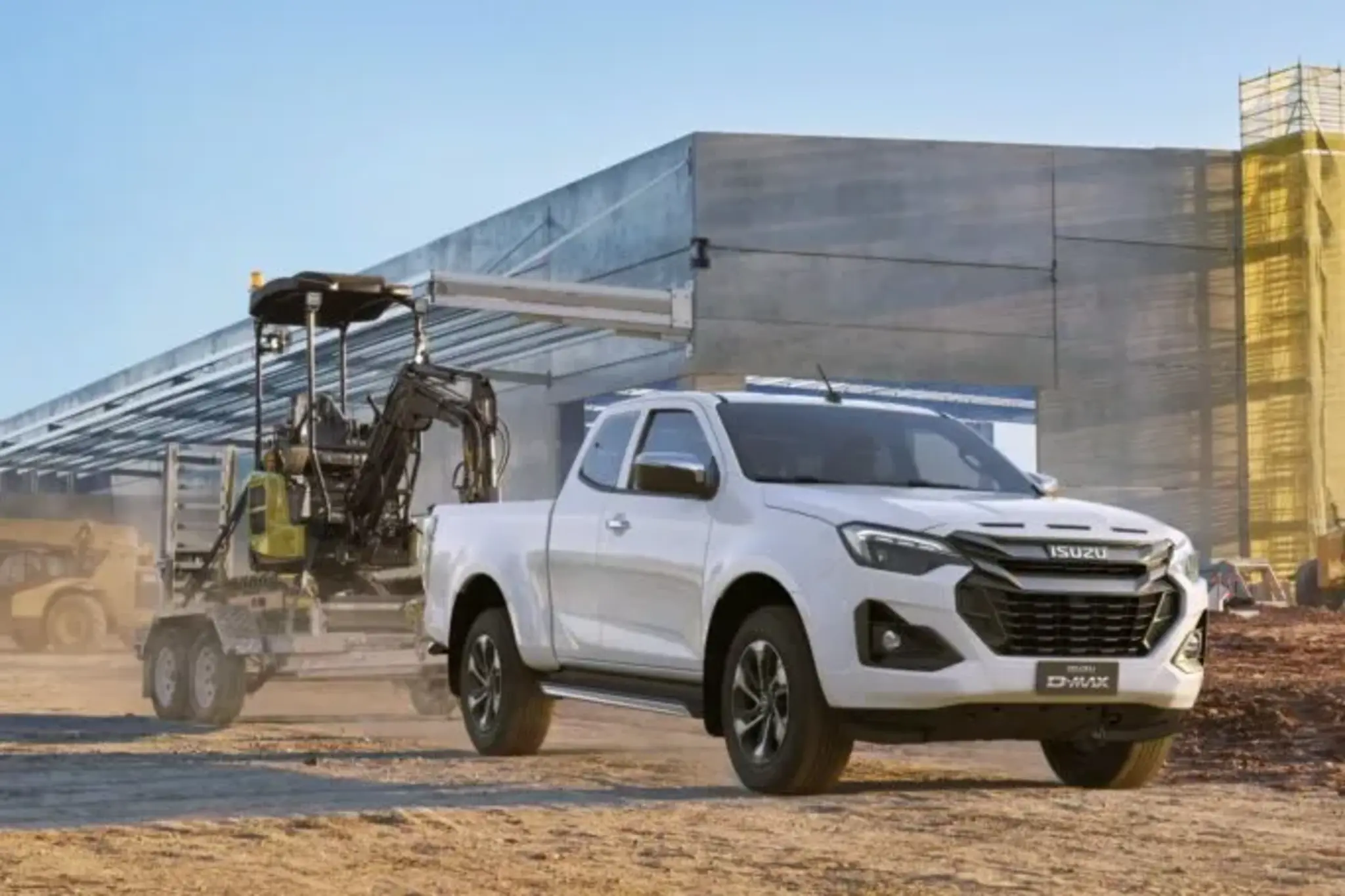
A year ago Isuzu updated the D-Max, refreshing its design and making a number of structural improvements. Many of the upgrades are hidden below the surface, including a stronger chassis developed to improve handling and directional stability.
Almost all grades of the model have a mechanical rear differential lock. The D-Max comes as standard with a trailer stability system and a new Rough Terrain off-road mode.
Better acceleration, lower fuel consumption
The new diesel engine is now 2.2 litres and almost nothing is left of the previous power unit. Although the rated output – 120 kW (163 hp) – is the same as before, there is in fact significantly more power thanks to the larger displacement. Torque has increased to 400 Nm and can be used over a very wide rev range of 1,600–2,400 rpm. In most driving situations the engine can keep torque at its maximum almost all the time, and the torque curve has also been improved so that plenty of power is available right from the start at very low speeds. In practice, these changes result in better acceleration, greater flexibility, better driving characteristics and lower fuel consumption.
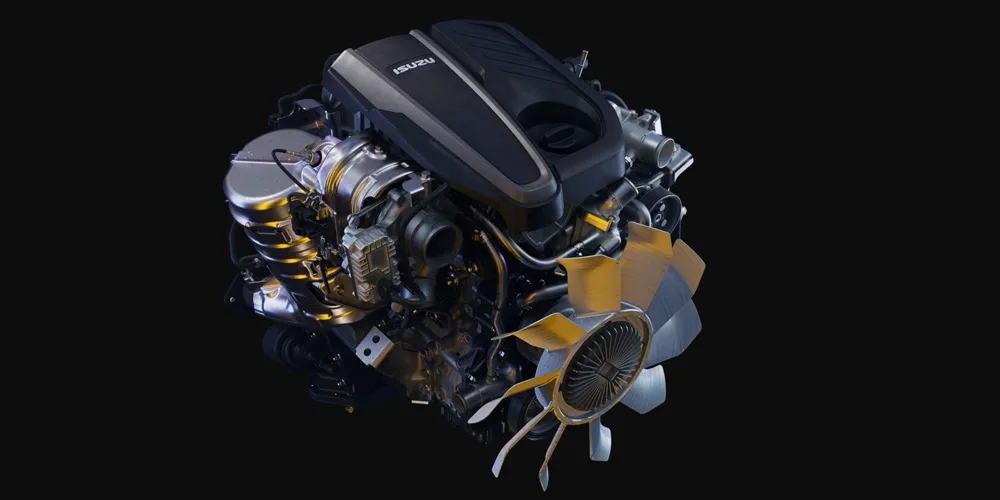
Power is transmitted to all four wheels through the new Aisin 8-speed automatic gearbox. Increasing the number of gears from six to eight gives closer gear ratios while widening their overall range. As a result, pulling away is smoother and easier, while at higher speeds the engine runs at lower revs, helping to reduce fuel consumption.
Precise gear changes with the 6-speed manual gearbox
The Isuzu D-Max is now also available again with a 6-speed manual gearbox. It has been optimised so that it works perfectly with the new engine. The gear ratios take advantage of the new engine's increased torque, which, as with the automatic gearbox, can be noticed on the motorway as lower engine revs.
The most versatile model range on the market
The new ISUZU D-Max continues to take care of occupants' all-round safety. Its standard equipment includes adaptive cruise control with an active speed limiter, traffic sign recognition, lane departure warning, active lane keeping assist, a lane centring assist system and a driver attention monitoring system. The latter is now mandatory in the European Union for all new models.
All pickup versions come with a long warranty: 5 years or 100,000 km (whichever comes first). The service interval is now 15,000 km or once a year.
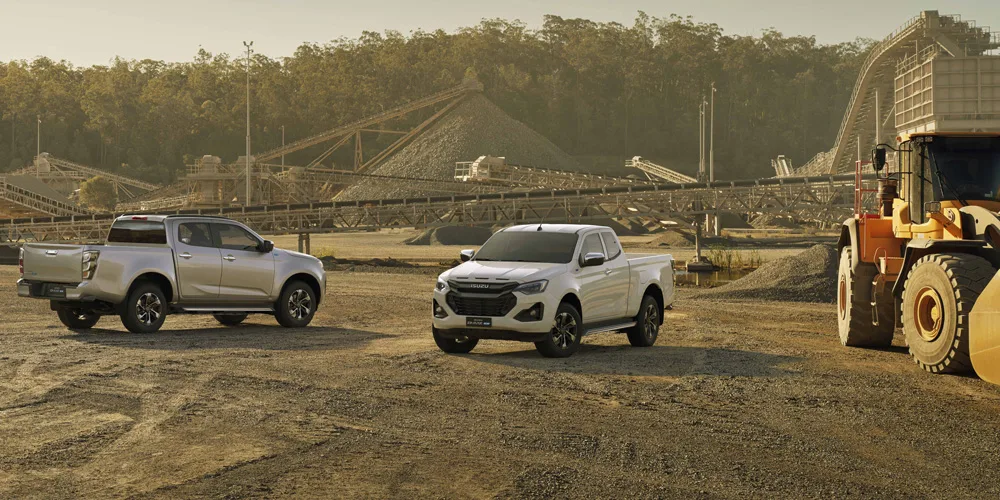
It is very important that customers can choose a vehicle that perfectly meets their needs. That is why the D-Max range includes three versions with different body types.
The Regular Cab with the traditional short cab offers a practical two-seat layout with a long load bed. It is available from €36,990.
The four-seat extended Space Cab is fitted with convenient doors that open from the centre in two different directions. The model's trump card is its excellent towing capacity – it can tow a trailer weighing up to 3,500 kg. Prices for the model start at €37,990.
The third option is the five-seat crew cab version, the Double Cab, which is built for hard work in the toughest conditions. Prices for this version start at €41,990.